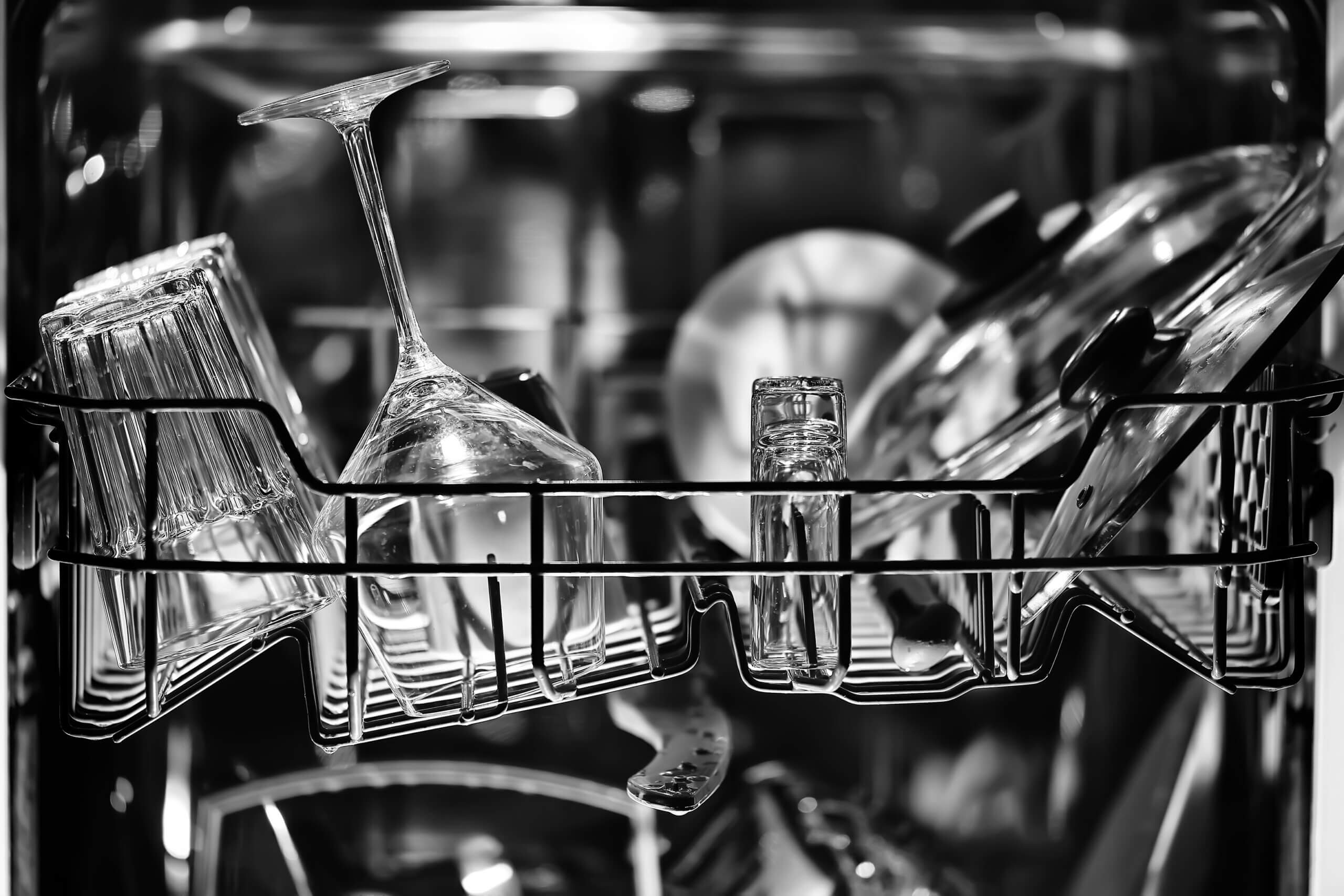
Washing dishes is an activity known to everyone and necessary to keep the kitchen clean. When performing this activity, we use large amounts of water and electricity. Regardless of whether we have a dishwasher or not, for the sake of our budget and the environment, we should think about washing dishes as economically as possible.
Washing dishes, saving water
For every company related to the catering industry, dishwashing is an important and indispensable area of business. Restaurants are implementing various solutions to reduce water consumption – after all, it is not only pro-ecological action, but also affects the budget. Appropriate management of resources, including water consumption, allows you to significantly reduce company expenses.
Both washing dishes by hand and washing them in a dishwasher can allow us to behave pro-ecologically. There is a belief that washing dishes in a dishwasher is much more economical than washing them by hand. A dishwasher is a great solution when you have to wash large amounts of dishes every day. This is the basic equipment for every professional hotel kitchen, restaurant and other catering facilities. It allows you to thoroughly wash a large number of dishes in a very short time. However, for various reasons, smaller catering outlets also practice hand washing of dishes, which can also be very economical and ecological.
Washing dishes in dishwashers – which detergent depends on water hardness?
The very fact that we have a dishwasher is a good sign that we are saving water. Modern dishwashers use little water. We ourselves can contribute to ensuring that this consumption is really minimal – while washing effectively. When loading dishes into the dishwasher, we should always remove food remnants first. We arrange the dishes in the dishwasher according to the flow of water and, if possible, we place the dirtier dishes at the bottom and the less dirty ones at the top. Always fill the dishwasher completely, avoiding empty wash cycles. Dishwashers have various types of programs – which allows us to adjust the washing cycle to our needs, the type of dishes and the degree of dirt of the dishes. If the dishes are not very dirty, we can use the “eco” program, i.e. economical. Choosing the right detergent is also very important.
How to choose the right detergent for catering dishwashers?
A professional kitchen, especially during the high season, requires quick cleaning of tableware and preparation for the needs of new guests. In this industry, you cannot afford even a temporary lack of dishes for restaurant guests. Therefore, efficient and effective cleaning in the dishwasher works best. When purchasing agents for professional catering dishwashers, it is worth paying attention to several factors, such as water hardness.
Jeśli będzie on słabej jakości, może się czasem zdarzyć, że konieczne będzie powtórne mycie lub czystość naczyń będziemy poprawiać w myciu tradycyjnym, co nie sprzyja oszczędzaniu wody. Warto wypróbować produkty marki Clinex, która w zależności od stopnia twardości wody, poleca odpowiedni preparat. W przypadku wody miękkiej i średnio twardej stosujemy uniwersalny preparat do zmywarek jak np. CLINEX DishWash. W tym preparacie zwartość substancji odpowiedzialnych za obniżenie twardości wody jest tak dobrana, aby jakość mycia była zadawalająca. W przypadku wody twardej stosujemy preparat, w którym zawartość substancji zmiękczających jest dużo wyższa, na przykład preparat CLINEX DishHard. Dzięki takiemu rozwiązaniu jesteśmy w stanie zniwelować twardość wody i uzyskać wysoką jakość mycia. Musimy jednak pamiętać, że aby uzyskać ten efekt używamy preparatu CLINEX DishHard w komplecie z produktem nabłyszczającym do twardej wody CLINEX ShineHard.
Warto również zaopatrzyć się w płyn nabłyszczający do zmywarek gastronomicznych, na przykład CLINEX DiShine. To skoncentrowany preparat do płukania i nabłyszczania naczyń. Środek ten zawiera osuszacz, który przyspiesza spływanie wody z powierzchni, jednocześnie dbając o niepozostawianie plam i zacieków. Uzyskujemy efekt nabłyszczenia – bardzo pożądany w restauracjach, a ponadto eliminujemy ryzyko pojawia się osadu.
Washing glassware – also possible in catering dishwashers!
Modern, innovative methods of preparing cleaning agents also allow even glass to be effectively washed in dishwashers. There is also another product for this purpose – preferably one that can perfectly cope with traces left on glass drinking vessels, for example fingerprints or lipstick residues.
Produkt CLINEX DishGlass dedykowany jest naczyniom szklanym. Mycie szkła w profesjonalnych zmywarkach gastronomicznych to odwieczny problem: korozja szkła, smugi na cienkim szkle, osady z krzemu. Produkt ten zawiera substancje, które wspomagają proces mycia, np. ilość substancji zmiękczających wodę jest tak dobrana, aby nie dopuścić do korozji szkła. Produkt zawiera dodatkowe inhibitory korozji, które chronią szkło. W produkcje zawarte są substancje, które ułatwiają wysychanie cienkiego szkła oraz dyspergatory, które zapobiegają odkładaniu się krzemu na szkle.
Economical hand washing of dishes
Contrary to appearances, hand washing can also be economical. It depends on the washing technique. For this to be the case, we certainly cannot afford to wash dishes under a tap with the water constantly turned on. As with washing in the dishwasher, you must first get rid of any food remnants. The best solution is to use two sink bowls or bowls. In one chamber, soak the dishes in warm water with washing liquid, and we will also wash the dishes there. We use the liquid according to the recommendations on the label.
Follow the recommendations
Using too much liquid will make it difficult to rinse and we will use a lot of water. However, too small an amount will not be enough to wash the dishes well. Washing dishes in warm or even hot water is also important, it is much more effective than washing in cold water. Fill the second bowl of the sink with clean water. It will be used to rinse dishes. We start washing with less dirty dishes. When the water becomes dirty, we replace it with clean water. The liquid we use is also important when washing by hand. Poor quality liquid will not give us satisfactory results, we will use more liquid, water, electricity or gas – if we heat water this way.
When choosing a preparation, it is also worth paying attention to the fact that some cleaning agents are perfect for cleaning porcelain, plastics, stainless steel and kitchen cutlery, but are not suitable for aluminum dishes.
Marka Clinex, dostawca profesjonalnej chemii poleca CLINEX HandWash – uniwersalny i bardzo wydajny płyn do ręcznego mycia naczyń. Co ważne, jest przebadany dermatologicznie, więc nie będzie miał negatywnego wpływu na ręce. Dzięki swojej wysokiej zdolności do emulgowania tłuszczów, CLINEX HandWash z łatwością usuwa brud, resztki jedzenia, tłuszcz oraz wszelkie zaschnięte zabrudzenia. Korzystając z preparatu z dobrym składem, mamy gwarancję lśniącego połysku bez konieczności wycierania do sucha, co również pozytywnie wpływa na czas pracy. Jest wysoce skoncentrowany przez co wystarczy bardzo mała jego ilość, aby mycie było skuteczne.
Due to high bills or the ecological trend, saving water is very important. Appropriate washing technique and liquids used for washing dishes help us achieve a satisfactory effect.