Renovation is a series of construction activities aimed at restoring the utility value of the renovated object. The renovation period is difficult for each of us, but its effect compensates us for the more difficult times we had to go through. However, before we can enjoy a fully renovated interior, we have one more difficult task ahead of us, namely cleaning after the renovation. To achieve optimal results and minimize efforts, you should plan the cleaning well or hire a professional cleaning team.
First, dry cleaning
The basic rule that we should follow when cleaning is that cleaning should start “dry”. This is also how you should start cleaning after renovation . If we started with wet cleaning, all the dust and dust would quickly turn into mud. This may lead to even more dirt and even destruction of freshly renovated surfaces. Therefore, it is worth vacuuming thoroughly at the beginning to get rid of dust and dirt that is in every corner of our room. In this case, the best solution is an industrial vacuum cleaner, which we can easily rent. It can cope with dust, dirt and even small debris. When vacuuming, remember to do it from top to bottom. Let’s start with the ceiling. We vacuum all the highest-mounted elements, such as chandeliers, curtain rods, etc.
Then we go down, letting the dust fall onto the floor, which we vacuum at the very end. This seems to be the best possible solution. When we decide on it, we are actually choosing a cleaning method that involves dividing the renovated room into certain levels. The first level is the highest. By cleaning from top to bottom, dust, dirt and other contaminants are most likely to slowly disappear. Whatever is blown up and not picked up by the vacuum cleaner the first time will fall to a lower level and be removed the second time.
Choosing cleaning chemicals for cleaning after renovation
The scope of renovation work that has been performed determines the selection of chemicals and equipment needed for cleaning. This is very important. Well-selected cleaning products and equipment not only affect the appearance of the cleaned rooms, but also the durability of the materials used in them.

The next step after vacuuming is washing with detergents. How to clean after renovation? The best choice of cleaning agents are products dedicated to a given surface. We can then be sure that using such products, the floor will be cleaned well. The specialized additives used in them will protect it, so we will be able to enjoy cleanliness for longer. An additional very important advantage of using dedicated cleaning products is the fact that by using them, we will be sure that we will not damage the cleaned surface.
Always read the product label
Therefore, it is good to know what materials were used during the renovation. What is actually on the floor, what are the finishing strips made of, what is on the walls. In this case, the range of materials can be literally huge. Then you should go to a store that sells chemicals intended for cleaning various materials and surfaces, or go to the website of a manufacturer and familiarize yourself with its product offer. You should look for suitable cleaning products. It is very important to read the information provided by the manufacturer about a given product on its website before purchasing it. If it turns out to be the one we are looking for and we decide to buy it, when it is delivered, do not forget to read the information on how to use it on the label. It is worth always remembering this, because it is not enough to have a good cleaning product, it must also be used in accordance with the manufacturer’s recommendations. Only then will cleaning after renovation be effective!

Moreover, the saying that if something is for everything, it is for nothing, applies in this case. Unfortunately, chemistry is an uncompromising science. Everything has its own composition, which is often unique and it is impossible to create one product that will be the golden mean that will clean literally everything. Therefore, it is worth considering what products we need and in what quantities. Some surfaces are larger, others smaller. It is worth making sure that no preparation is missing and that the first cleaning of the room after renovation gives stunning results. Only then will we feel proper satisfaction.
Washing floors after renovation
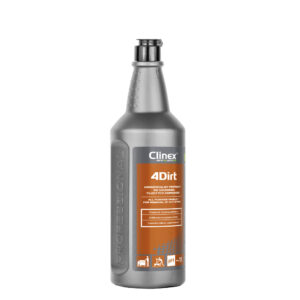
Wszyscy wiedzą, że mycie podłóg po remoncie nie jest łatwym zadaniem. Dużym ułatwieniem jest znalezienie produktu, który dzięki swoim właściwościom (takim jak pH, właściwości pieniące itd.) jest uniwersalny i sporządzając odpowiedni roztwór roboczy, zgodny z zaleceniami producenta, jesteśmy w stanie wykorzystać go do większości zabrudzonych powierzchni. Czym myć podłogę po remoncie? Przykładem takiego produktu jest Clinex 4Dirt. Jest to biodegradowalny, uniwersalny preparat do usuwania trudnych zabrudzeń. Nadaje się do mycia maszynowego oraz ręcznego, doskonale rozpuszcza wszelkiego typu trudne zabrudzenia.
Po gruntownym remoncie, na posadzce możemy znaleźć osady wapienne, resztki gipsu, czy inne osady mineralne. Najlepszym wyborem w takim przypadku jest preparat kwaśny o niskim pH, który bez problemu poradzi sobie z tego typu zabrudzeniami. I tu z pomocą może nam przyjść produkt Clinex M3 Acid. Niskopieniący, kwaśny preparat do posadzek wodoodpornych i kwasoodpornych. Jest to produkt o dużej sile działania, który doskonale radzi sobie z osadami mineralnymi, które zostają nam na podłodze po remoncie. Przed zastosowaniem tego preparatu należy pamiętać, że jest to produkt kwaśny. Nie nadaje się na powierzchnie, które nie są odporne na działanie kwasów. Jak umyć podłogę po remoncie? Mycie zaczynamy zawsze od najniższego stężenia, aby upewnić się, że nie uszkodzimy czyszczonej powierzchni. Natomiast po zastosowaniu posadzkę należy dobrze przepłukać wodą, aby ją zneutralizować.

Caring for floors using professional products
This is the safest method and is recommended to be used not only when cleaning new surfaces, but always. Thanks to it, we will not damage new and freshly installed materials, but we will also extend their service life. Moreover, regular care of the surfaces will significantly extend their visual effect, and the entire room will be more well-groomed.
Jeżeli na posadzce nie mamy zabrudzeń mineralnych, możemy użyć dedykowanych środków czystości takich jak Clinex Wood&Panel, do mycia paneli i podłóg laminowanych, czy Clinex Glazur do podłóg glazurowanych, lub też skorzystać z preparatu uniwersalnego do każdego rodzaju podłóg, jakim jest Clinex Floral.


Cleaning windows after renovation
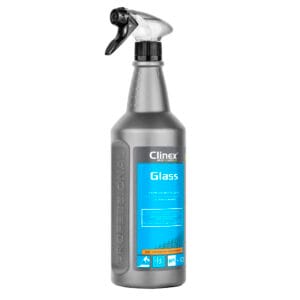
Nie tylko mycie podłogi po remoncie może okazać się wyzwaniem. Podobnie sprawa ma się z oknami. Jak umyć okna po remoncie? Do wyczyszczenia okien można wykorzystać preparaty Clinex Glass oraz Clinex Glass Foam. Są to skuteczne płyny do mycia szyb, luster, kryształów, powierzchni emaliowanych i laminowanych, a także elementów ze stali nierdzewnej. Wzbogacone dodatkowo w środki antystatyczne, które zapobiegają szybkiemu osadzaniu się kurzu.

When we decide to renovate, we cannot wait to see the results, but we must remember to thoroughly clean the renovated room. We will do this thanks to well-planned work and using appropriate cleaning products. Therefore, cleaning should be treated as the last step of the renovation and treated as seriously as other activities included in it, e.g. laying tiles or plaster.
Sprzątanie jest w pewnym sensie wisienką na torcie, ponieważ im lepiej posprzątamy wyremontowane pomieszczenie czy nawet całe mieszkanie tym będziemy bardziej zadowoleni, ponieważ naszym oczom ukaże się najlepszy efekt kilkudniowej a nierzadko kilkutygodniowej pracy, w którą włożyliśmy czas, pieniądze i energię. Na naszym blogu mamy też poradnik o czyszczeniu ram okiennych po remoncie, który z pewnością okaże się przydatny podczas robienia porządków.

Conclusions
Smooth renovation requires the creation of an appropriate action plan.
In order to avoid dirt in the renovated room, start cleaning it using the “dry” method.
It is recommended to start cleaning by vacuuming all the nooks and crannies.
It is worth using the horizontal cleaning method, i.e. from top to bottom.
The next stage is wet cleaning.
Before starting this type of cleaning, you should choose cleaning products carefully.
Professional detergents can significantly extend the life of given surfaces.
Before we use cleaning products, check whether they are intended for the materials we want to clean with them.
Each product must be used skillfully, so always read the instructions for use on the label.
The vast majority of dirty surfaces can be cleaned using Clinex 4Dirt.
The preparation is suitable for machine and hand washing.
Jeśli po remoncie na posadzce zostają osady mineralne czy resztki gipsu, wtedy można posłużyć się preparatem Clinex M3 Acid.
Clinex M3 Acid ma bardzo dużą siłę działania i świetnie poradzi sobie nawet z najtrudniejszymi zabrudzeniami.
Po użyciu tego preparatu należy podłogę spłukać wodą, aby ją zneutralizować.
Powinno się posługiwać tą metodą czyszczenia zarówno w przypadku nowych, jak i starych posadzek.
Do mycia podłóg i paneli laminowanych zaleca się używać Clinex Wood&Panel.
Podłogi glazurowane można wyczyścić preparatem Clinex Glazur.
Jeśli potrzebujemy uniwersalnego preparatu to z powodzeniem możemy kupić Clinex Floral.
Wszelkie szyby i podobne powierzchnie można czyścić preparatami Clinex Glass oraz Clinex Glass Foam.
Sprzątanie po remoncie należy przeprowadzić dokładnie, ponieważ to sprawi, że zobaczmy jego najlepszy efekt.
FAQ – najczęściej zadawane pytania o sprzątanie po remoncie
Sprzątanie po remoncie zawsze należy rozpocząć „na sucho”, czyli od dokładnego odkurzania. Pozwala to usunąć pył i kurz, zanim zamienią się w trudne do usunięcia błoto. Najlepiej sprzątać metodą „od góry do dołu” – zaczynając od sufitu, karniszy i lamp, a kończąc na podłodze.
Rozpoczęcie sprzątania na mokro powoduje, że pył remontowy łączy się z wodą, tworząc trudne do usunięcia zabrudzenia. Może to także prowadzić do uszkodzenia świeżo wykończonych powierzchni. Dlatego odkurzanie jest kluczowym pierwszym etapem.
Najlepszym wyborem są środki dedykowane do konkretnych powierzchni, takich jak panele, glazura czy posadzki. Profesjonalna chemia (np. oferowana przez firmę Clinex) nie tylko skutecznie usuwa zabrudzenia, ale też chroni materiały i wydłuża ich żywotność.
W przypadku trudnych zabrudzeń mineralnych najlepiej sprawdzają się preparaty o kwaśnym pH. Należy jednak stosować je ostrożnie – zawsze zaczynać od najniższego stężenia i upewnić się, że dana powierzchnia jest odporna na działanie kwasów. Po myciu podłogę trzeba dokładnie spłukać wodą.
Do mycia okien po remoncie warto używać specjalistycznych preparatów do szyb, które usuwają zabrudzenia i mają właściwości antystatyczne. Dzięki temu okna dłużej pozostają czyste, a kurz nie osadza się na nich tak szybko.
Related articles: